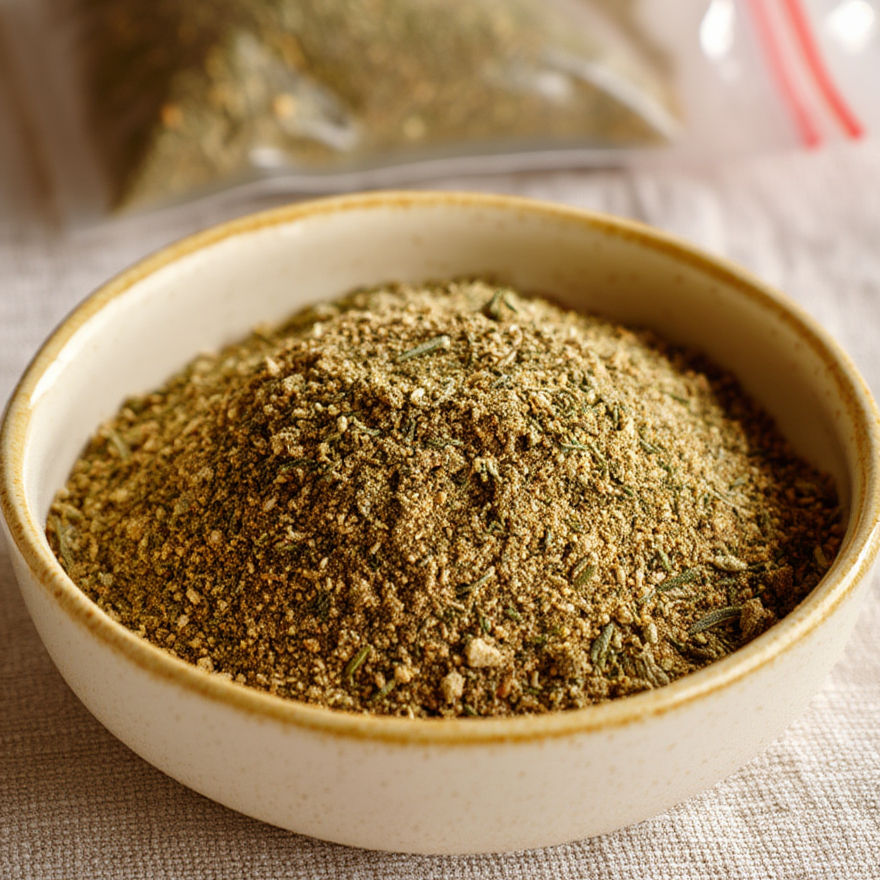
Cassava flour – a natural, versatile and fiber-rich gluten-free solution
Cassava flour is made from the whole cassava root , unlike tapioca flour , which only contains the starch of the root. As a result, cassava flour is higher in fiber and has a mild, nutty flavor that adds extra depth to a variety of dishes.
Main differences from tapioca flour:
Whole Root Composition: Cassava flour retains natural fiber, which improves nutritional value.
Fewer calories: Compared to tapioca flour, it has a lower calorie count per serving.
Nutty flavor: Has a pleasant, slightly nutty tone, unlike the neutral tapioca flour.
Great texture: Works well as a thickener in soups, sauces, and desserts.
Usage:
For gluten-free cookies, bread and pancakes
As a thickener for sauces and soups
A natural substitute for wheat flour in various diets
Suitable for vegans, gluten-free and paleo diets
Cassava flour is a healthy and versatile solution that enriches food with fiber and a light, pleasant taste.
🥞 Recipe: Gluten-free pancakes with cassava flour
(2–3 servings)
Ingredients:
1 cup cassava flour
2 eggs
¾ cup plant milk or regular milk (can adjust as needed)
1 tablespoon liquid honey or maple syrup
1 teaspoon baking powder
Pinch of salt
Oil or butter for frying
Preparation:
Mix eggs, milk and sweetener in a bowl.
Gradually add the cassava flour, baking powder and salt, stirring until you have a smooth dough. If the dough is too thick, add a little more milk.
Heat a pan with a small amount of oil or butter.
Pour the batter in small portions onto the pan and fry on both sides until the pancakes turn golden brown.
Serve with fruit, berries, nut butter or syrup of your choice.
Tip: These pancakes are not only gluten-free, but also great for breakfast or as a healthy snack throughout the day.